The Mechanics of Private Lending in Middle Tennessee
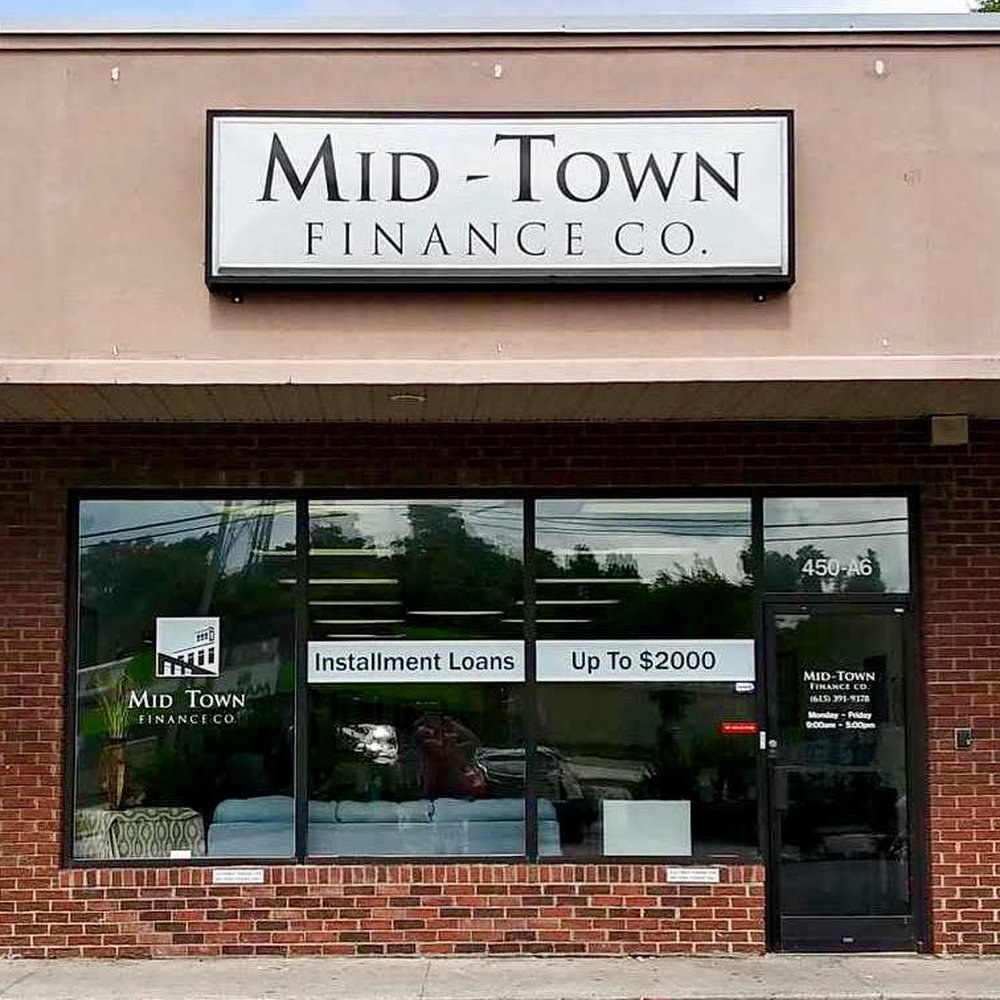
One specific number defines the current mood in many households across the state: zero. It’s the number of people who find themselves completely unprepared for a sudden car repair or a medical bill that arrives without warning. This lack of a safety net is what drives the demand for unsecured credit in the local market.
In Nashville, personal loans act as a fast-moving tool for navigating the gap between monthly wages and the high cost of living in a booming metropolitan area. You can use these to consolidate debt or fund a project without putting up a house or a car as collateral. It’s a straightforward way to borrow that relies almost entirely on your ability to pay the debt back through future income.
How these loans work is simple: a lender gives you a lump sum of cash upfront, and you pay it back in fixed increments over a set period. Since there are no assets tied to the deal, the lender is taking a bigger risk on your character and your history of managing money. Because of that risk, the cost of borrowing varies wildly depending on who is holding the checkbook.
The Local Credit Ecosystem
Nashville’s financial scene is a mix of massive national banks and small, community-focused institutions that have been around longer than most of the new high-rises in the Gulch. While the big banks offer the most stability, they often require a pristine history just to get a conversation started. They look for a specific type of stability that doesn’t always match the reality of a gig economy or a freelance career.
Local credit unions often operate with a different philosophy. They tend to be more interested in the person behind the application, sometimes looking at how long you’ve lived in Davidson County or your job stability. This community focus can lead to better terms for people who might be overlooked by a computer algorithm in a high-rise in New York or Charlotte.
When people look for personal loans Nashville TN, they often find themselves weighing the speed of an online lender against the potential human element of a local branch. Digital-only providers are undeniably faster, but that speed comes with a lack of recourse if something goes wrong with the automated underwriting process. It is a trade-off between convenience and a relationship you can actually walk into.
Your credit score remains the primary driver of the interest rate you receive. A person with a high score might find much more manageable monthly payments, while someone with a spotty history might find the costs of borrowing quickly become a secondary problem to the original debt they were trying to solve. It’s a delicate balance that requires a clear-eyed look at your own budget before signing anything.
Many borrowers also find that how they categorize their debt matters. Using a loan to consolidate high-interest credit card debt is a common tactic to lower a monthly payment, but if the spending habits that created the debt don’t change, the loan just becomes another weight on the scale. It is a temporary fix for a structural problem if the underlying behavior remains untouched.
The Cost of Speed and Convenience
There is a heavy price to pay for getting money on a Tuesday afternoon when you need it by Friday. Rapid-approval lenders often bake the cost of that speed directly into the interest rate. They move fast because they have automated the entire vetting process, stripping away the need for a human to review a bank statement or verify an employer’s phone number.
Traditional lenders might take a week to process a request, but they might offer a lower rate because they have more capital and more time to assess the risk. This creates a tiered system where the most desperate or the least prepared end up paying the highest premiums for the privilege of immediate liquidity. It is a reality that many people don’t confront until they see the fine print on a monthly statement.
It is also important to understand the concept of the APR, which is more than just the interest rate you see in an advertisement. The APR includes the fees you pay to get the loan in the first place, such as origination fees that might be deducted from your lump sum before it even hits your bank account. You might ask for $10,000 but only see $9,500 land in your account, even though you are responsible for paying back the full $10,000 plus interest.
- Origination Fees: A one-time upfront cost for processing the loan.
- Prepayment Penalties: Charges applied if you try to pay the loan off early.
- Late Fees: Penalties for missing a monthly deadline.
- Variable Rates: Interest rates that can change over the life of the loan.
The comparison between these options is rarely apples to apples. A lender might offer a very low monthly payment, but if that payment is stretched over five years, you will end up paying significantly more in total interest than a borrower who takes a higher monthly payment over two years. Time is the invisible variable that changes the entire math of the equation.
Navigating the Application Maze
Applying for a loan in a city like Nashville involves a series of digital and physical hurdles. Most people start online, entering their income and social security number into a web form that promises an instant decision. This is a high-stakes moment because many of these “soft” inquiries can lead to “hard” credit pulls that stay on your report and might slightly affect your score.
Once you move past the initial screen, the documentation phase begins. You’ll likely need to provide proof of identity, proof of income, and a detailed list of your current monthly obligations. This is where the “breathless” nature of modern bureaucracy kicks in. You’re jumping from a bank statement upload to a tax return verification to a photo of a utility bill in a rapid-fire sequence of digital hoops that leaves you feeling like you’ve run a marathon before you’ve even received a dime. It’s exhausting. It really is.
One thing to watch for is the difference between a fixed-rate loan and a variable-rate loan. A fixed rate means your payment stays the same until the loan is dead and gone, which makes budgeting easy. A variable rate can change based on market conditions, which can turn a manageable monthly payment into a crushing burden if the economy takes a turn for the worse. Knowing which one you are signing for is the most fundamental part of the process.
If you find that you are being offered a loan with terms that seem too good to be true, listen to that instinct. There is no such thing as free money, and anyone promising a low rate with no credit check is likely a predator looking to strip your equity or your future wages through predatory terms. Real lending is always a trade-off between risk and reward.
Some borrowers prefer to use a personal loan for home improvements, particularly in older neighborhoods where the infrastructure is starting to show its age. In these cases, the loan is an investment in the property’s value. However, if the loan is used for consumption, like a vacation or a new television, it is simply a way of borrowing from your future self to pay for a present luxury.
| Loan Type | Collateral Required? | Approval Speed | Common Use Case |
|---|---|---|---|
| Unsecured Personal Loan | No | Fast | Debt Consolidation |
| Secured Personal Loan | Yes | Moderate | Home/Auto Repair |
| Line of Credit | Sometimes | Variable | Emergency Buffer |
Strategic Debt Management Tactics
Using a personal loan to manage existing debt requires a level of discipline that many people struggle to maintain. The goal is to take multiple high-interest payments and turn them into one single, lower-interest payment. If this is done successfully, it frees up cash flow and improves your credit score by lowering your credit utilization on your revolving cards.
The danger lies in the psychological effect of seeing those credit card balances return to zero. There is a temptation to start using the cards again because they feel “empty.” If you do this, you end up with the original debt plus the new loan, which is a fast track to a financial crisis. Successful management requires treating the new loan as a replacement for the old debt, not as an addition to it.
Another approach is using a loan to fund a specific, high-yield project. This could be a small business startup cost or a major medical procedure that prevents larger costs down the line. When the loan is used to prevent a larger financial loss, it is a defensive move. When it is used to fuel a lifestyle that your income cannot support, it is an offensive error.
Understanding the impact of your payment schedule is also vital. If you have extra cash at the end of a month, some loans allow you to make extra principal-only payments. This can shave months off the end of your loan term and save you a significant amount of money in interest. It’s a simple way to take control back from the lender.
Personal loans in the Nashville market are tools. Like any tool, they are neither good nor bad; their value depends entirely on how they are used. A hammer can be used to build a house or to break a window, and a loan works exactly the same way.
Compare the total cost of a loan by asking for a full amortization schedule before you sign the paperwork.
Common questions
Where can I get a personal loan in Nashville, Tennessee?
You can obtain personal loans in Nashville through local credit unions, national banks, and online lenders that serve the Tennessee area.
What are the requirements for a personal loan in Nashville?
Typically, you will need to provide proof of Tennessee residency, a valid ID, proof of income, and have a stable credit score.
Can I get an unsecured personal loan in Tennessee?
Yes, many Nashville-based lenders offer unsecured personal loans that do not require collateral, though interest rates depend on your creditworthiness.
Are there specific state regulations for personal loans in Tennessee?
Yes, lenders in Nashville must comply with Tennessee state laws regarding interest rate caps and consumer protection regulations.
How long does it take to get a personal loan in Nashville?
Approval can be instant for online lenders, while traditional banks in Nashville may take a few business days to process and fund the loan.